golang之interface入门


系列文章:

golang实现多态

golang利用组合实现继承,和php或java面向对象的继承有何不同

Golang类型断言

golang之interface入门

interface,鸭子类型与泛型


本篇是对「Go语言底层原理剖析」的学习与记录


1. 入门


Go语言没有任何形式的基于类型的继承,取而代之的是使用接口来实现扁平化、面向组合的设计模式。

在Go语言中,interface是 其他类型可以实现的方法签名的集合

有两种类型,实现原理有很大不同:一种是带方法签名的接口(一般称为接口),一种是空接口(一般称为空接口)


一般最佳实践(官方库&知名项目):

  • 接口又嵌入接口,保持深度在0或1为最佳。
  • 接口中直接定义的方法数量10个之内最佳。

理解Go接口的实际应用


(下面把自定义的接口成为一级接口,其包含的接口成为二级接口,以此类推)

嵌入的接口的数量: 标准库中接口绝大多数都不会再嵌套接口,少数会再嵌套一层接口,最多嵌套的数量为4,是mime/multipart.File中的File接口:

1
2
3
4
5
6
type File interface {
io.Reader
io.ReaderAt
io.Seeker
io.Closer
}

131个接口为0,27个为1,8个为2,3个为3,1个为4


嵌入的接口深度: 接口嵌入接口,嵌入的接口再嵌入接口..较深的接口降低了代码的可读性,提高了代码复杂度。

标准库中不使用太深的嵌入方式,少量接口有一层嵌入

131个接口没有嵌入,29个接口嵌入了一层 (和上面相对应)


接口中直接定义的方法的数量: (一级接口)直接定义的方法的数量,不包括嵌入接口引入的方法。

标准库中接口定义的直接方法的数量都很少,不会设置很多方法,接口都比较精巧干练。 比较特殊的是reflect/Type接口,定义了31个直接方法


接口中总的方法的数量:把(一级接口)直接定义的方法和嵌入接口引入的方法加和

标准库中接口的总方法数量基本都在8个以下,最多的当然还是reflect/Type接口,31个(直接)方法


2. 接口实现


和其他需要显式声明接口实现类 的语言不同,Go语言接口实现是隐式的,不用明确地指出某一个类型实现了某一个接口,只有在某一类型的方法中实现了接口中 全部的方法签名,就意味着此类型实现了这一接口。


如 定义一个图形接口Shape,此接口包含求周长的perimeter方法和求面积的area方法:

1
2
3
4
5
6
type Shape interface {

perimeter() float64

area() float64
}

任何自定义类型要实现Shape接口都很简单,只需实现Shape内部所有的方法签名即可。


现在创建一个自定义类型Rectangle来标识一个矩形,a,b分别代表长和宽:

1
2
3
type Rectangle struct {
a, b float64
}

接着为该类型实现perimeter和area方法:

1
2
3
4
5
6
7
8
func (r Rectangle) perimeter() float64 {
return (r.a + r.b) * 2 //矩形周长公式:(长+宽)*2
}

func (r Rectangle) area() float64 {
return r.a * r.b //矩形面积公式:长*宽
}


再创建一个自定义类型Rectangle来标识一个三角形,a,b,c分别代表三条边:

1
2
3
4
5

type Triangle struct {
a, b, c float64
}

也为该类型实现perimeter和area方法:

1
2
3
4
5
6
7
8
9
func (t Triangle) perimeter() float64 {
return t.a + t.b + t.c
}

func (t Triangle) area() float64 {
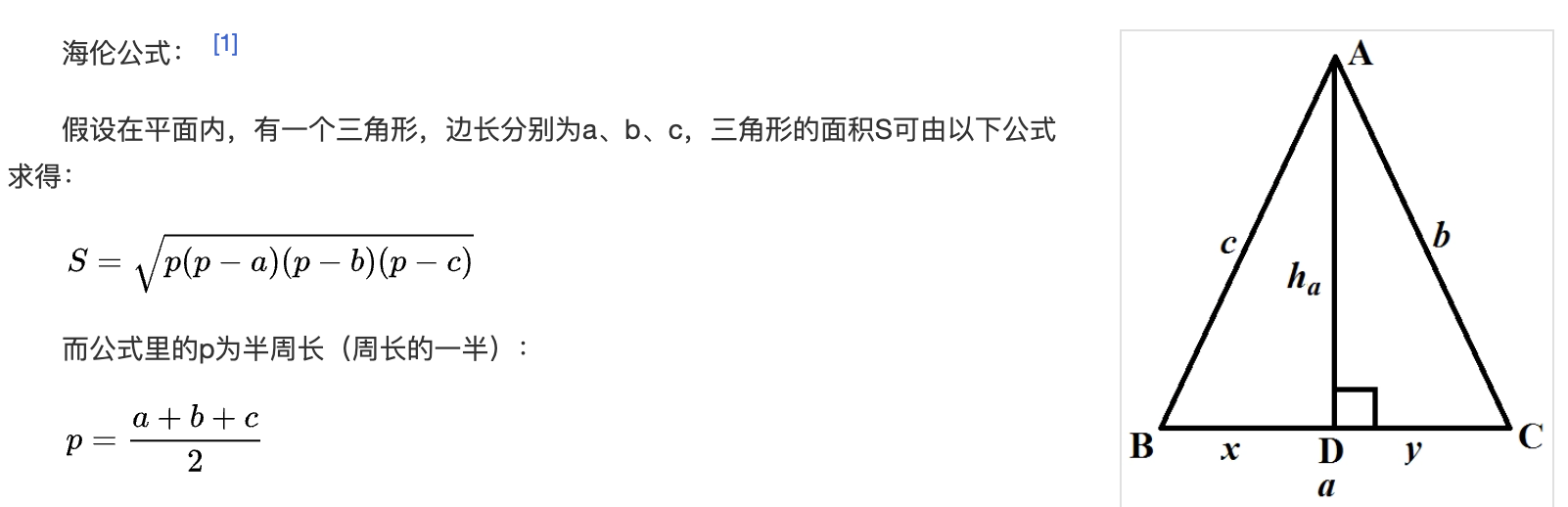
//海伦公式
p := (t.a + t.b + t.c) / 2
return math.Sqrt(p*(p-t.a) + p*(p-t.b) + p*(p-t.c))
}

实例化一个矩形和三角形,计算其周长和面积:

1
2
3
4
5
6
7
8
9
10
11
12
13
14
15
16
17
18
19
20
21
22
23
24
25
26
27
28
29
30
31
32
33
34
35
36
37
38
39
40
41
42
43
44
45
46
47
48
49
50
51
52
53
54
55
56
57
58
package main

import (
"fmt"
"math"
)

func main() {
cacl()
}

// Shape 图形
type Shape interface {
perimeter() float64
area() float64
}

type Rectangle struct {
a, b float64
}

func (r Rectangle) perimeter() float64 {
return (r.a + r.b) * 2 //矩形周长公式:(长+宽)*2
}

func (r Rectangle) area() float64 {
return r.a * r.b //矩形面积公式:长*宽
}

func cacl() {

var juxing = Rectangle{
3, 4,
}

var sanjiaoxing = Triangle{
3, 4, 5,
}

fmt.Printf("矩形周长为%f,面积为%f\n", juxing.perimeter(), juxing.area())
fmt.Printf("三角形周长为%f,面积为%f\n", sanjiaoxing.perimeter(), sanjiaoxing.area())

}

type Triangle struct {
a, b, c float64
}

func (t Triangle) perimeter() float64 {
return t.a + t.b + t.c
}

func (t Triangle) area() float64 {
//海伦公式
p := (t.a + t.b + t.c) / 2
return math.Sqrt(p*(p-t.a) + p*(p-t.b) + p*(p-t.c))
}

执行:

1
2
矩形周长为14.000000,面积为12.000000
三角形周长为12.000000,面积为6.000000

3. 接口动态类型


一个接口类型的变量,能够接收任何实现了此接口的 (开发人员)自定义的类型。

一般把存储在接口中的类型(如Rectangle,Triangle,即隐式实现Shape中所有方法的结构体) 称为接口的动态类型,而将接口本身的类型称为接口的静态类型(如Shape)

1
2
3
   var s Shape
s = Rectangle{3, 4}
s = Triangle{3, 4, 5}


4. 接口的动态调用


当接口变量(如Shape)中存储了具体的动态类型时,可以调用接口中所有的方法:

1
2
3
4
   var s Shape
s = Rectangle{3, 4}
s.perimeter()
s.area()

接口动态调用的过程实质上是 调用当前接口动态类型中具体方法的过程。如下,接口动态调用表现出不同动态类型的行为:

1
2
3
4
5
   var s Shape
s = Rectangle{3, 4}
fmt.Printf("矩形周长为%v,面积为%v\n", s.perimeter(), s.area())
s = Triangle{3, 4, 5}
fmt.Printf("三角形周长为%f,面积为%f\n", s.perimeter(), s.area())

输出为:

1
2
矩形周长为14,面积为12
三角形周长为12.000000,面积为6.000000

在对接口变量进行动态调用时,调用的方法只能是接口中具有的方法。如Rectangle类型还有另外的方法getHeight,接口变量在调用时,编译不会通过:

1
2
3
4
5
6
var s Shape
s = Rectangle{3, 4}
area := s.area()
hight := s.getHeight()

fmt.Println(area,hight)
1
s.getHeight undefined (type Shape has no field or method getHeight)


5. 多接口


一个类型可以同时实现多个接口,如标准库中src/os/types.go中的

1
2
3
4
// File represents an open file descriptor.
type File struct {
*file // os specific
}

其实现了src/io/io.go中的Reader接口和Writer接口


6. 接口的组合


定义的接口可以是其他接口的组合,如理解Go接口的实际应用中提到的标准库src/io/io.go中的ReadWriter,ReadCloser,WriteCloser等几个接口。

ReadWriter为例,其组合了Reader接口和Writer接口。 当类型实现了ReadWriter时,意味着次类型既可读又可写。

1
2
3
4
5
6
7
8
9
10
11
12
13
14
15
16
17
18
19
20
// ReadWriter is the interface that groups the basic Read and Write methods.
type ReadWriter interface {
Reader
Writer
}

...

// Implementations must not retain p.
type Reader interface {
Read(p []byte) (n int, err error)
}

...

// Implementations must not retain p.
type Writer interface {
Write(p []byte) (n int, err error)
}


一个方法包含越多的方法,其抽象性就越低,表达的行为就越具体


7. 接口类型断言


更多参考 Golang类型断言


8. 空接口


如果接口中没有任何方法签名,则这是Go中另一类特殊接口,即空接口

空接口可以存储结构体,字符串,整型等任何数据类型,是很多函数的入参,如fmt.Println:

1
2
3
4
5
6
// Println formats using the default formats for its operands and writes to standard output.
// Spaces are always added between operands and a newline is appended.
// It returns the number of bytes written and any write error encountered.
func Println(a ...interface{}) (n int, err error) {
return Fprintln(os.Stdout, a...)
}

使用 i.(type)获取空接口中的动态类型

i代表接口变量,type是固定关键字,和带方法接口的类型断言不是一回事。

这个语法仅在switch语句中有效,如Println源码中:

1
2
3
4
5
6
7
8
9
10
11
12
13
14
15
16
17
18
19
20
21
22
23
24
25
26
27
28
29
30
31
32
33
34
35
36
37
38
39
40
41
42
43
44
45
46
47
48
49
50
51
52
53
54
55
56
// Some types can be done without reflection.
switch f := arg.(type) {
case bool:
p.fmtBool(f, verb)
case float32:
p.fmtFloat(float64(f), 32, verb)
case float64:
p.fmtFloat(f, 64, verb)
case complex64:
p.fmtComplex(complex128(f), 64, verb)
case complex128:
p.fmtComplex(f, 128, verb)
case int:
p.fmtInteger(uint64(f), signed, verb)
case int8:
p.fmtInteger(uint64(f), signed, verb)
case int16:
p.fmtInteger(uint64(f), signed, verb)
case int32:
p.fmtInteger(uint64(f), signed, verb)
case int64:
p.fmtInteger(uint64(f), signed, verb)
case uint:
p.fmtInteger(uint64(f), unsigned, verb)
case uint8:
p.fmtInteger(uint64(f), unsigned, verb)
case uint16:
p.fmtInteger(uint64(f), unsigned, verb)
case uint32:
p.fmtInteger(uint64(f), unsigned, verb)
case uint64:
p.fmtInteger(f, unsigned, verb)
case uintptr:
p.fmtInteger(uint64(f), unsigned, verb)
case string:
p.fmtString(f, verb)
case []byte:
p.fmtBytes(f, verb, "[]byte")
case reflect.Value:
// Handle extractable values with special methods
// since printValue does not handle them at depth 0.
if f.IsValid() && f.CanInterface() {
p.arg = f.Interface()
if p.handleMethods(verb) {
return
}
}
p.printValue(f, verb, 0)
default:
// If the type is not simple, it might have methods.
if !p.handleMethods(verb) {
// Need to use reflection, since the type had no
// interface methods that could be used for formatting.
p.printValue(reflect.ValueOf(f), verb, 0)
}
}

即 使用switch语句嵌套i.(type)语法,获取空接口中的动态类型,并根据动态类型不同进行不同的格式化输出。


9. 接口的比较性


两个接口之间可以通过 ==!=来比较,规则为:

  • 动态值为nil的接口变量相等

  • 如果只有一个接口为nil,则比较结果为false

  • 两个接口不为nil,且接口变量具有相同的动态类型和动态类型值,则两接口相同

  • 如果接口存储的动态类型值是不可比较的,则运行时会报错